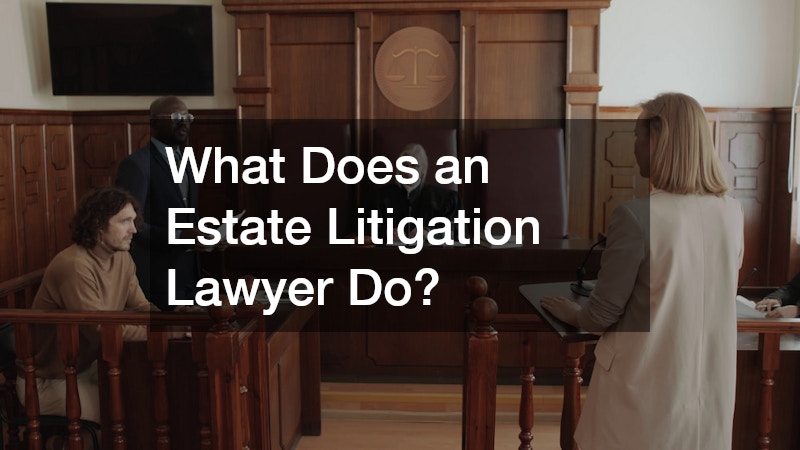

Estate litigation involves legal disputes related to wills, trusts, and the administration of an estate after someone passes away. When disagreements arise among heirs, beneficiaries, executors, or trustees, an estate litigation lawyer steps in to protect rights, resolve conflicts, and guide clients through complex probate and trust laws.
These disputes can be emotionally charged and legally intricate, making experienced legal representation essential. Understanding what an estate litigation lawyer does can help families and individuals know when to seek help and what to expect during the process.
Handling Will and Trust Disputes
One of the primary responsibilities of an estate litigation lawyer is resolving conflicts over wills and trusts. These disputes often surface when beneficiaries believe a document does not reflect the true intentions of the deceased.
Contesting the Validity of a Will
An estate litigation lawyer may challenge or defend a will based on issues such as lack of mental capacity, undue influence, fraud, or improper execution. For example, if a family member suspects that someone pressured the deceased into changing their will, a lawyer gathers evidence, interviews witnesses, and presents arguments in court.
Interpreting Ambiguous Trust or Will Language
Sometimes disputes arise simply because a will or trust is unclear. An estate litigation lawyer analyzes the language of the document and argues for an interpretation that aligns with the client’s rights while honoring legal standards and prior case law.
Representing Beneficiaries and Heirs
Beneficiaries and heirs often turn to estate litigation lawyers when they feel excluded, treated unfairly, or kept in the dark during the estate administration process.
Protecting Inheritance Rights
A lawyer ensures beneficiaries receive what they are legally entitled to under the will or trust. If assets are being withheld, mismanaged, or improperly distributed, legal action may be taken to compel compliance.
Addressing Disinheritance Claims
In some cases, individuals believe they were wrongfully disinherited. Estate litigation lawyers evaluate whether state laws, prior estate plans, or contractual obligations support a claim for a share of the estate.
Advising and Defending Executors and Trustees
Estate litigation lawyers do not only represent beneficiaries. Executors and trustees also rely on legal counsel when disputes arise.
Defending Against Breach of Fiduciary Duty Claims
Executors and trustees have a legal obligation to act in the best interests of the estate and its beneficiaries. If accused of misconduct, self-dealing, or negligence, an estate litigation lawyer builds a defense to show proper administration and compliance with fiduciary duties.
Guiding Fiduciaries Through Disputes
Even when no wrongdoing has occurred, conflicts between beneficiaries can place executors and trustees in difficult positions. Lawyers help fiduciaries navigate disputes, respond to legal challenges, and minimize personal liability.
Resolving Financial and Asset-Related Conflicts
Disagreements over money and property are common in Estate Litigation, especially when valuable or sentimental assets are involved.
Disputes Over Asset Valuation
An estate litigation lawyer may challenge or defend how assets are valued, particularly for real estate, businesses, or unique personal property. Accurate valuation affects distributions, taxes, and settlement negotiations.
Hidden or Misappropriated Assets
If assets are suspected to be hidden, transferred improperly, or taken before or after death, an estate litigation lawyer investigates financial records and pursues recovery through court proceedings if necessary.
Managing Probate and Trust Litigation
Estate litigation lawyers handle cases in probate court and other civil courts, depending on the nature of the dispute.
Filing and Responding to Lawsuits
From initiating legal claims to responding to petitions and motions, these lawyers manage all procedural aspects of litigation. This includes drafting pleadings, meeting court deadlines, and ensuring compliance with probate rules.
Court Appearances and Hearings
An estate litigation lawyer represents clients at hearings, mediations, and trials, presenting evidence and legal arguments to judges. Their role is to advocate clearly and persuasively while protecting their client’s interests.
Negotiation, Mediation, and Settlement Strategies
Not all estate disputes need to end in a courtroom. Estate litigation lawyers often work toward resolution through alternative methods.
Negotiating Fair Settlements
Lawyers negotiate on behalf of clients to reach agreements that avoid prolonged litigation. Settlements can save time, reduce costs, and preserve family relationships when possible.
Mediation Support
In mediation, an estate litigation lawyer helps clients understand their legal position, prepares documentation, and advises on whether proposed resolutions are fair and enforceable.
Advising Clients Before Disputes Escalate
Estate litigation lawyers also play a preventive role by advising clients early, before conflicts become full legal battles.
Early Risk Assessment
By reviewing estate documents and circumstances, a lawyer can identify potential issues and recommend steps to reduce conflict, such as clarifying distributions or correcting procedural errors.
Strategic Guidance During Administration
During estate or trust administration, lawyers guide clients on best practices to avoid claims, ensure transparency, and comply with state laws.
When to Consider Hiring an Estate Litigation Lawyer
Estate disputes can escalate quickly and have lasting financial and emotional consequences. Consulting an estate litigation lawyer is especially important when disagreements involve significant assets, complex family dynamics, or allegations of misconduct. With legal guidance, clients gain clarity, protection, and a structured path forward during an otherwise uncertain time.
Estate Litigation involves legal disputes related to wills, trusts, and the administration of an estate after someone passes away. When disagreements arise among heirs, beneficiaries, executors, or trustees, an estate litigation lawyer steps in to protect rights, resolve conflicts, and guide clients through complex probate and trust laws.
These disputes can be emotionally charged and legally intricate, making experienced legal representation essential. Understanding what an estate litigation lawyer does can help families and individuals know when to seek help and what to expect during the process.
Handling Will and Trust Disputes
One of the primary responsibilities of an estate litigation lawyer is resolving conflicts over wills and trusts. These disputes often surface when beneficiaries believe a document does not reflect the true intentions of the deceased.
Contesting the Validity of a Will
An estate litigation lawyer may challenge or defend a will based on issues such as lack of mental capacity, undue influence, fraud, or improper execution. For example, if a family member suspects that someone pressured the deceased into changing their will, a lawyer gathers evidence, interviews witnesses, and presents arguments in court.
Interpreting Ambiguous Trust or Will Language
Sometimes disputes arise simply because a will or trust is unclear. An estate litigation lawyer analyzes the language of the document and argues for an interpretation that aligns with the client’s rights while honoring legal standards and prior case law.
Representing Beneficiaries and Heirs
Beneficiaries and heirs often turn to estate litigation lawyers when they feel excluded, treated unfairly, or kept in the dark during the estate administration process.
Protecting Inheritance Rights
A lawyer ensures beneficiaries receive what they are legally entitled to under the will or trust. If assets are being withheld, mismanaged, or improperly distributed, legal action may be taken to compel compliance.
Addressing Disinheritance Claims
In some cases, individuals believe they were wrongfully disinherited. Estate litigation lawyers evaluate whether state laws, prior estate plans, or contractual obligations support a claim for a share of the estate.
Advising and Defending Executors and Trustees
Estate litigation lawyers do not only represent beneficiaries. Executors and trustees also rely on legal counsel when disputes arise.
Defending Against Breach of Fiduciary Duty Claims
Executors and trustees have a legal obligation to act in the best interests of the estate and its beneficiaries. If accused of misconduct, self-dealing, or negligence, an estate litigation lawyer builds a defense to show proper administration and compliance with fiduciary duties.
Guiding Fiduciaries Through Disputes
Even when no wrongdoing has occurred, conflicts between beneficiaries can place executors and trustees in difficult positions. Lawyers help fiduciaries navigate disputes, respond to legal challenges, and minimize personal liability.
Resolving Financial and Asset-Related Conflicts
Disagreements over money and property are common in Estate Litigation, especially when valuable or sentimental assets are involved.
Disputes Over Asset Valuation
An estate litigation lawyer may challenge or defend how assets are valued, particularly for real estate, businesses, or unique personal property. Accurate valuation affects distributions, taxes, and settlement negotiations.
Hidden or Misappropriated Assets
If assets are suspected to be hidden, transferred improperly, or taken before or after death, an estate litigation lawyer investigates financial records and pursues recovery through court proceedings if necessary.
Managing Probate and Trust Litigation
Estate litigation lawyers handle cases in probate court and other civil courts, depending on the nature of the dispute.
Filing and Responding to Lawsuits
From initiating legal claims to responding to petitions and motions, these lawyers manage all procedural aspects of litigation. This includes drafting pleadings, meeting court deadlines, and ensuring compliance with probate rules.
Court Appearances and Hearings
An estate litigation lawyer represents clients at hearings, mediations, and trials, presenting evidence and legal arguments to judges. Their role is to advocate clearly and persuasively while protecting their client’s interests.
Negotiation, Mediation, and Settlement Strategies
Not all estate disputes need to end in a courtroom. Estate litigation lawyers often work toward resolution through alternative methods.
Negotiating Fair Settlements
Lawyers negotiate on behalf of clients to reach agreements that avoid prolonged litigation. Settlements can save time, reduce costs, and preserve family relationships when possible.
Mediation Support
In mediation, an estate litigation lawyer helps clients understand their legal position, prepares documentation, and advises on whether proposed resolutions are fair and enforceable.
Advising Clients Before Disputes Escalate
Estate litigation lawyers also play a preventive role by advising clients early, before conflicts become full legal battles.
Early Risk Assessment
By reviewing estate documents and circumstances, a lawyer can identify potential issues and recommend steps to reduce conflict, such as clarifying distributions or correcting procedural errors.
Strategic Guidance During Administration
During estate or trust administration, lawyers guide clients on best practices to avoid claims, ensure transparency, and comply with state laws.
When to Consider Hiring an Estate Litigation Lawyer
Estate disputes can escalate quickly and have lasting financial and emotional consequences. Consulting an estate litigation lawyer is especially important when disagreements involve significant assets, complex family dynamics, or allegations of misconduct. With legal guidance, clients gain clarity, protection, and a structured path forward during an otherwise uncertain time.